

Understanding the psychology behind gambling behavior in casinos
The Allure of Gambling: Why People Are Drawn In
The thrill of gambling often stems from the adrenaline rush associated with risk-taking. Casinos are designed to create an exhilarating environment, using bright lights, engaging sounds, and enticing rewards to capture the attention of potential players. This carefully curated atmosphere makes it easy for individuals to lose themselves in the experience, often overshadowing their rational decision-making skills. If you’re interested in trying your luck, you might consider the aviator india game download, which offers an exciting gaming experience.
Addiction to gambling can also be influenced by a person’s emotional state. Those seeking an escape from daily stresses or who are looking for excitement may find solace in the unpredictable nature of games. This emotional connection can lead to a cycle of repeated behavior, as players chase the high that comes from wins or the hope of recovering losses.
The Role of Cognitive Biases in Gambling
Cognitive biases play a significant role in how individuals approach gambling. For instance, the gambler’s fallacy leads players to believe that past outcomes can influence future results. A player might think that after a string of losses, a win is “due.” This misguided belief can encourage continued play and increase the likelihood of significant financial losses.
Similarly, confirmation bias can cause gamblers to remember their wins while ignoring their losses. This selective memory reinforces the belief that they are skilled or lucky, further entrenching them in the gambling cycle. Understanding these biases is crucial for players, as it highlights the importance of maintaining an objective perspective on their gambling behavior.
The Impact of Environment on Gambling Behavior
The environment of a casino greatly impacts gambling behavior. Factors such as layout, accessibility, and social dynamics can influence how individuals engage with games. For example, casinos are often designed without clocks or windows to minimize distractions, creating a sense of timelessness that encourages extended play. This design choice can lead to impulsive decisions as players lose track of their time and money.
Moreover, social aspects play a critical role in gambling behavior. Many people gamble in groups, and the social validation they receive can amplify their willingness to take risks. The excitement shared among peers can create an atmosphere of collective enjoyment that may overshadow individual financial responsibility, leading to reckless gambling choices.
The Psychological Consequences of Gambling
The psychological effects of gambling can be profound and multifaceted. For many, the thrill of winning is accompanied by the stress of potential losses. This dichotomy can create anxiety and lead to compulsive gambling behavior as individuals seek to replicate the positive emotions associated with wins. Over time, this cycle can result in significant psychological distress, financial instability, and strained relationships.
Addressing the psychological consequences requires awareness and understanding of one’s behavior. Seeking professional help and support systems can aid individuals in regaining control over their gambling habits. Recognizing the signs of problematic gambling is the first step toward creating a healthier relationship with games of chance.
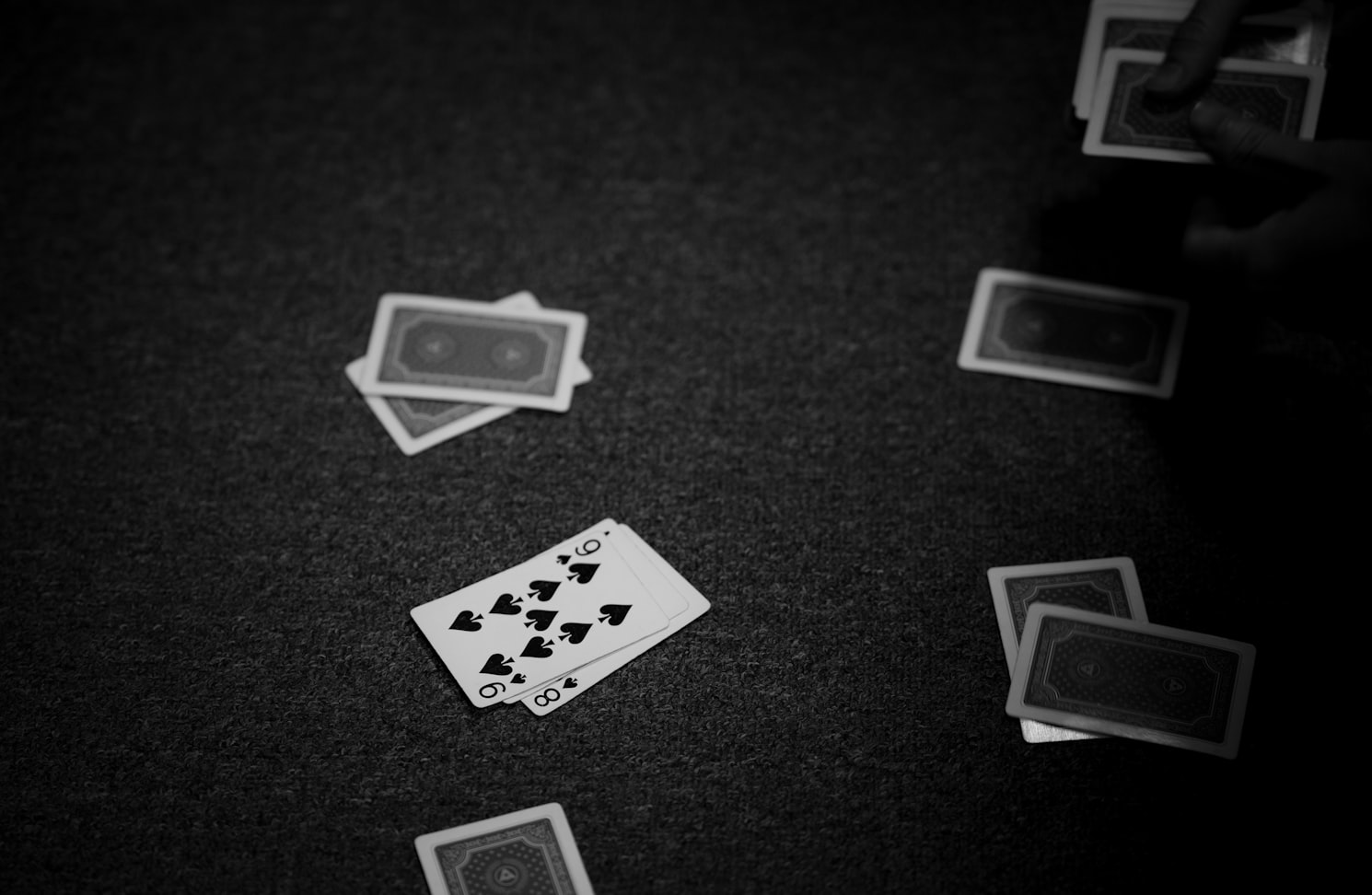
Exploring Responsible Gambling at Aviator Game
At Aviator Game, we prioritize a safe and enjoyable gaming experience for all players. Our platform not only offers thrilling gameplay but also emphasizes responsible gambling practices. We provide resources and information on financial management to help players navigate their gaming choices wisely.
By encouraging players to set limits and understand their gambling behavior, we aim to foster a community where excitement meets responsibility. Join us at Aviator Game, where you can explore the exhilarating world of gaming while prioritizing your financial well-being and mental health.